Can We Fix Affordability Without Breaking the Market? A Plain-English Guide to the Latest Housing Ideas

Housing affordability has turned into a nonstop debate—and I get why. Depending on who you ask, the “fix” is always something different: lower interest rates, portable mortgages, 50-year loans, tapping a 401(k), banning Wall Street investors, or pushing builders to stop “sitting on empty lots” and crank out smaller homes. Some of these ideas sound great on the surface… until you look at the tradeoffs.
That’s the point of this pillar page. I’m collecting my most popular (and most debated) housing articles in one place so you can follow the logic without the jargon. Each post below breaks down one proposal or trend, what it’s trying to solve, and what could happen next—because there’s no magic solution that keeps payments low, prices low, and homeowner equity high all at the same time.
If you’re buying, selling, investing, or just trying to make sense of the headlines, start here. Click the topic that matches what you’re hearing the most—rates and mortgage products, investor activity, or supply and new construction—and you’ll get a clear explanation plus my local perspective when it applies to Northeast Florida.
50-Year Mortgage vs 30-Year
A 50-year mortgage sounds like lower payments… until you run the math. I compared a 50-year vs 30-year mortgage to show how much principal you pay down (and how much interest you give up) over time—so you can see the tradeoff clearly.
Read it: 50-year vs 30-year mortgage numbers
Portable Mortgage Rates in the U.S.
What if you could take your 3% mortgage rate with you when you move? Portable mortgages sound like they could unlock inventory—but they might also push prices higher and widen the gap between buyers who have “golden ticket” rates and those who don’t.
Read it: Portable mortgages—help or hurt affordability?
Lower Interest Rate… Not Again (200B MBS Buying Plan)
This one made me cringe—because we all remember what ultra-low rates did to the market. Here’s a plain-English breakdown of MBS “bond math,” what happened in 2020–2022, and why a $200B plan today may not hit the market the same way (especially in Northeast Florida).
Read it: Could lower rates spark another frenzy?
Were Wall Street Investors Buying Up Jacksonville Florida Homes?
Everyone talks about Wall Street investors—so I pulled local numbers. Using cash purchases tied to LLCs/INC entities, I estimated investor activity in Duval County from 2020–2025 and explain what the data can (and can’t) prove about big investors vs local “mom and pops.”
Read it: Duval County investor share (2020–2025)
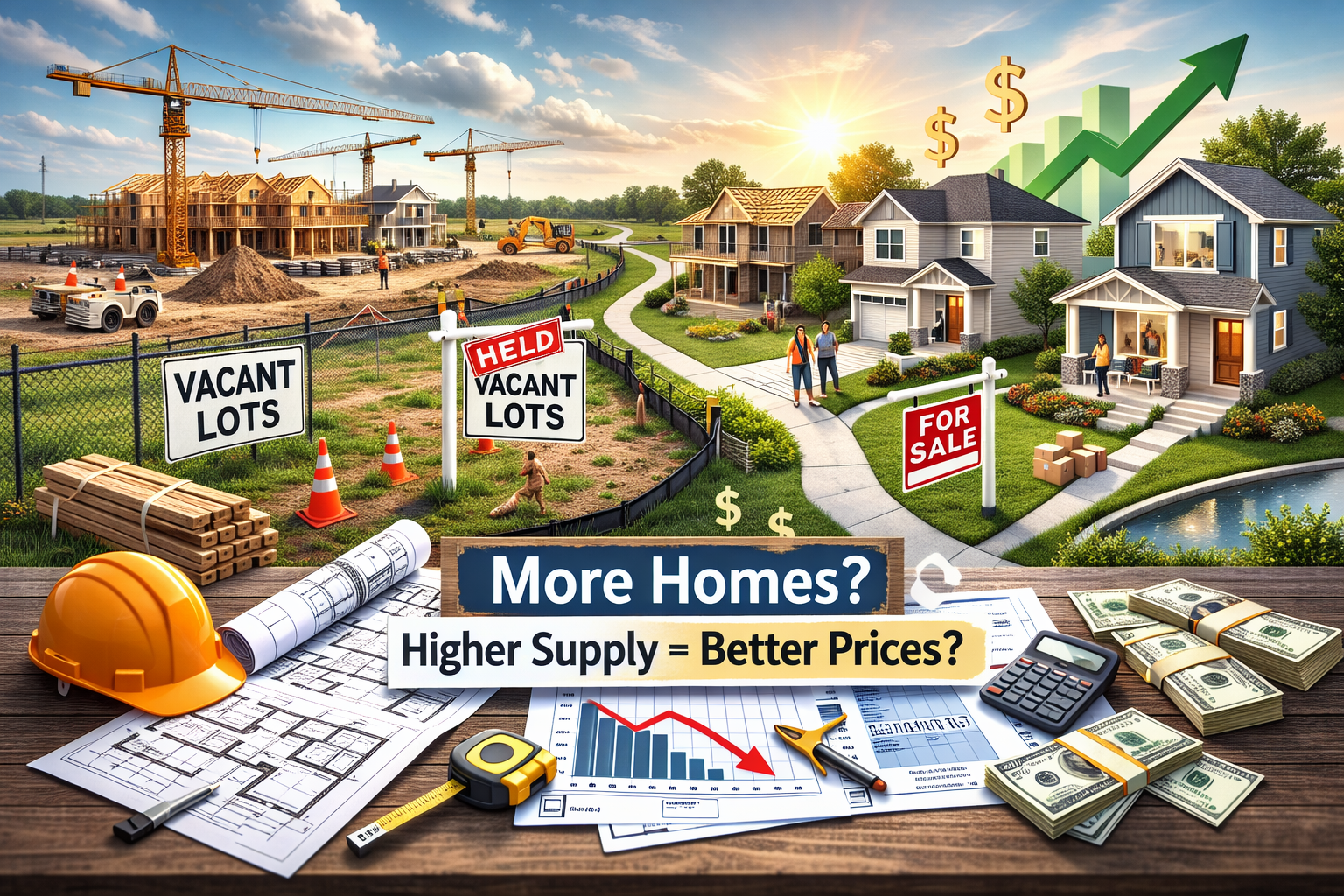
Vacant Lots, Smaller Homes, and the Housing Shortage Question
Are builders really “sitting on vacant lots,” and would building smaller homes actually improve affordability? In this post, I break down the vacant-lot rumor, how builders release homes in phases, and why “more supply” isn’t always as simple as it sounds.
Read it: Vacant lots + smaller homes + housing shortage
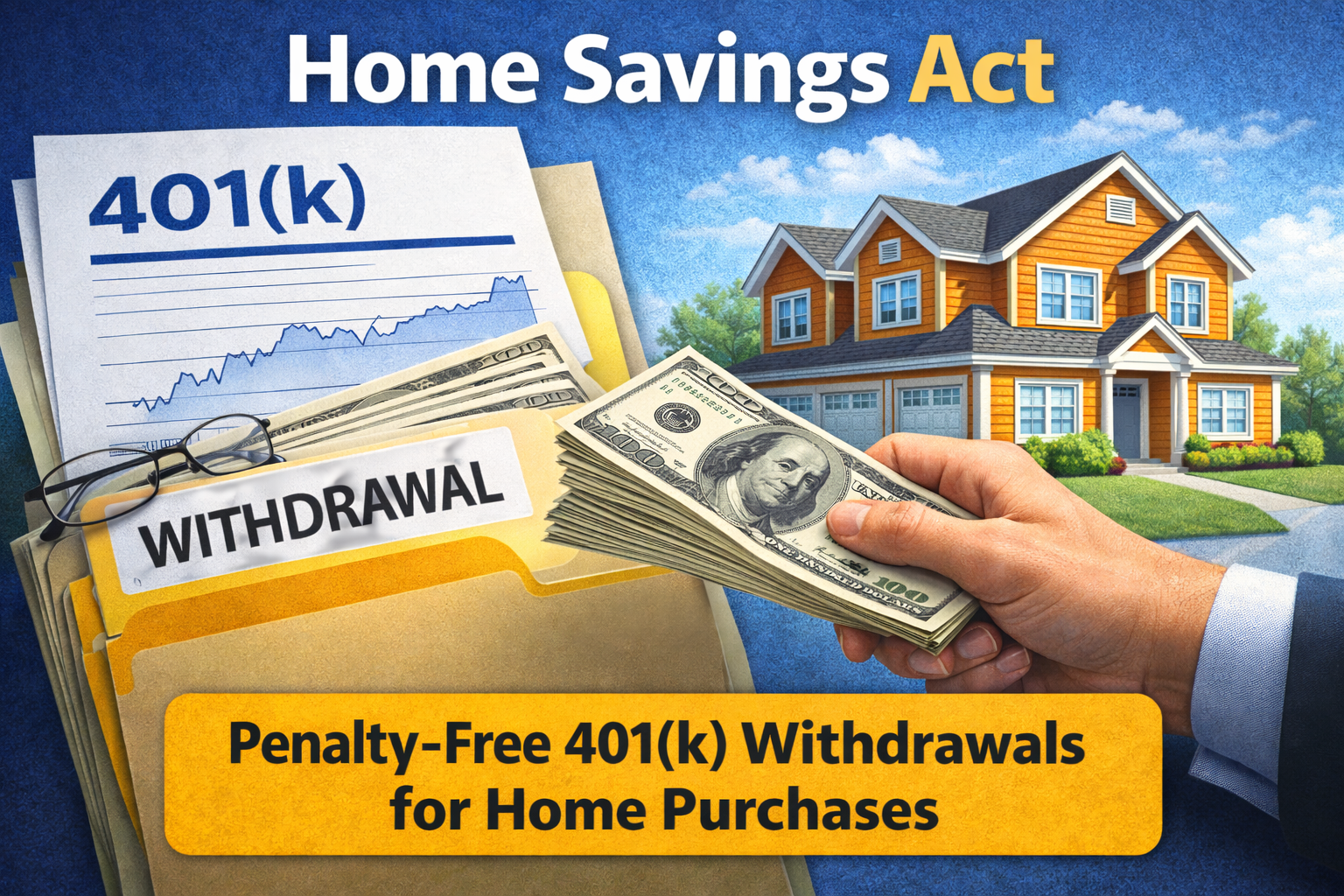
Should You Tap Your 401(k) to Buy a Home?
A new proposal would let buyers use 401(k) funds for down payment and closing costs without the usual penalties—temporarily. I explain how this differs from a typical 401(k) loan, the pros/cons, and why it can be smart or risky depending on your situation.
Read it: The Home Savings Act—simple breakdown
All these initiatives are meant to help manipulate the supply and demand to help make home buying more affordable, but the crazy real estate market from 2020 to mid 2022 that was fueled by super low interest rates is the culprit. The rates should have never been that low, for that long.
You know what will fix the affordability issue? A real estate market crash. I don’t even think a correction would be enough, because that would take years to make a dent. Then you have home owners who would lose equity so much so, that they could end up being underwater. There is no way to keep equity high for home owners while fixing affordability issues for buyers.