10 First-Time Home Buyer Mistakes That Can Cost You Time, Money, and Stress
Buying your first home is exciting, but it’s also easy to make mistakes that can cost you money, delay your purchase, or create unnecessary stress.
The good news is that most of these mistakes are avoidable if you know what to watch out for ahead of time.
Whether you’re thinking about buying your first home in Northeast Florida or you’re already preparing to start the process, here are 10 common mistakes I see buyers make and how you can avoid them.
1. Waiting for the Perfect Market
Many buyers have been waiting for another 2008-style housing crash before purchasing a home. The problem is that they’ve been waiting for years, and the market they’re hoping for may never arrive.
The housing market today is very different from what we saw in 2008. Back then, many borrowers were approved for loans they could not realistically afford. When lending standards tightened, the market experienced a wave of foreclosures that helped drive prices down.
Today, lending requirements are much stricter, and inventory levels remain relatively low in many areas. While prices can certainly fluctuate and some markets may experience corrections, the conditions that led to the 2008 housing crash simply are not the same.
Another thing many buyers are waiting on is interest rates. Some people are hoping rates will return to the 2% and 3% range we saw during the pandemic. Those rates were largely the result of extraordinary economic policies that are unlikely to become the norm again unless another major economic crisis occurs.
The reality is that nobody knows exactly where home prices or interest rates will go next. Prices could rise. Rates could rise. Either one could fall. The problem with waiting for the “perfect” market is that it may never arrive.
That doesn’t mean everyone should buy right now. It simply means your decision should be based on your finances, your goals, and your readiness to become a homeowner rather than trying to perfectly time the market.
Have questions? Don’t be shy or worried you’ll be harassed by a crazy real estate agent. I love answering questions and educating you on the local area, the home buying and selling process, without the pressure!!! Reach out by calling or text: 904-910-3516
2. Looking at Homes Before Getting Pre-Approved
One of the biggest mistakes buyers make is looking at homes before getting pre-approved.
I understand why people do it. Looking at homes is the fun part. You start browsing online, find a house you absolutely love, and begin imagining yourself living there.
The problem is that if you haven’t talked to a lender yet, you may not know whether that home is actually within your budget.
I’ve seen buyers fall in love with a house only to discover later that they can’t qualify for the loan amount needed to purchase it. That’s incredibly disappointing and can make some buyers feel like giving up on the home-buying process altogether.
Another issue is timing. If you find the perfect home and want to make an offer, you may not be ready. While you’re scrambling to get pre-approved, another buyer could come along with their financing already in place.
A lot of buyers assume they know what they can afford because they’ve used an online mortgage calculator. While those calculators can be helpful, they don’t tell the whole story. Lenders look at much more than just the monthly payment. They’ll also consider your income, credit history, debt-to-income ratio, assets, and overall financial picture.
A pre-approval helps you understand what you may qualify for, what your payment could look like, and which loan programs may be available to you.
Remember, just because you’re approved for a certain amount doesn’t mean you have to spend that much.
3. Focusing Only on Price
Many buyers focus on the purchase price of a home but forget to look at the full financial picture.
It’s easy to assume that if two homes are listed for the same price, they’ll have similar monthly payments. That’s not always true.
For example, you could compare two homes listed at the exact same price. One may have HOA fees while the other doesn’t. One may have significantly higher property taxes. One may require flood insurance while the other doesn’t.
All of those costs affect your monthly payment.
Instead of asking only, “What’s the price?” ask, “What’s the monthly payment likely to be?”
Looking at the complete financial picture can help you avoid surprises and make a more informed decision.
Not sure how taxes, insurance, HOA fees, and PMI affect your payment? I can help you break down the numbers before you start shopping.
4. Ignoring the Location
One of the biggest mistakes buyers make is falling in love with the house while overlooking the location.
Maybe the home checks all your boxes. It has the layout you want, the yard you want, and the space you need.
The problem is that you can change a lot about a house, but you can’t change where it’s located.
Before making an offer, pay attention to what’s around the property.
- Is there a busy road in front of or behind the home?
- Are there large power lines nearby?
- Is there future road construction planned?
- Is there commercial development being built nearby?
- Are there factors that could affect future resale value?
Sometimes these factors are the reason a home is priced lower than similar homes nearby.
That lower price may help you today, but it could also affect how long the home takes to sell and what price you receive when it’s your turn to move.
5. Underestimating the True Monthly Payment
Many buyers assume that a mortgage payment is simply principal and interest.
In reality, there can be much more included in that payment.
Your monthly payment may include:
- Principal and interest
- Property taxes
- Homeowners insurance
- HOA fees
- CDD fees
- Mortgage insurance
- Flood insurance if required
Property taxes vary from home to home. Insurance costs vary based on the property. HOA and CDD fees can add hundreds of dollars to your monthly expenses.
That’s why it’s important to understand every line item that contributes to your monthly payment before making an offer.
Before you fall in love with a home, let’s make sure the total monthly payment fits comfortably within your budget.
The latest mortgage rates can be found at Mortgage Daily News. So when you see them they are in real time and do not reflect the time the post was written.
6. Skipping Research on Insurance Costs
In Florida, insurance is a major part of homeownership.
One mistake buyers make is waiting until the last minute to find out what homeowners insurance is going to cost.
I always recommend getting insurance quotes during the inspection period. That way, if the insurance cost is significantly higher than expected, you’ll know before moving forward.
You may even want to get a rough estimate before you start shopping by talking with your insurance agent.
You should also determine whether a property is located in a flood zone. If you’re obtaining a mortgage and the property is in a designated flood zone, your lender will likely require flood insurance.
Insurance costs can vary based on:
- Roof age and condition
- Electrical, plumbing, and HVAC updates
- Location
- Flood zone designation
- Wind mitigation features
A home that appears affordable at first glance may become much less affordable once insurance costs are factored into the payment.
7. Falling in Love With One House Too Early
It’s okay to have a favorite house. In fact, I hope you do.
When you’re touring homes, there will often be one that stands out. Maybe it’s the layout, the backyard, or the neighborhood.
Sometimes a house just talks to you. The problem happens when buyers become emotionally attached before they’re under contract. Once emotions take over, it’s easier to overlook potential issues, justify expensive repairs, or ignore red flags that deserve a closer look.
You can absolutely love a house, but you still need to evaluate it objectively.
Remember, buying a home is both an emotional decision and a financial decision.
The goal is to find a home you love while still making a smart purchase.
If a house is “the one,” I’ll help you evaluate it objectively so excitement doesn’t cause you to overlook important details.
8. Not Budgeting for Closing Costs and Moving Expenses
Many first-time buyers save for their down payment but forget to budget for everything else.
The down payment is only one part of the equation.
You may also need money for:
- Closing costs
- Home inspections
- WDO inspections
- Septic inspections
- Pool inspections
- Moving expenses
- Utility deposits
- Furniture and appliances
You should also try to keep a financial cushion after closing.
I’ve personally had an HVAC compressor fail shortly after moving into a home. It was about a $1,500 repair. Thankfully, we had money set aside, but it was a reminder that unexpected expenses can happen.
The goal isn’t to scare you. It’s to help you prepare.
Homeownership comes with responsibilities, and having a small emergency fund can make those surprises much easier to handle.
9. Not Asking Questions
One of the biggest mistakes buyers can make is being afraid to ask questions. For some reason, many of us worry that we’ll look uninformed if we ask too many questions.
The truth is that buying a home is a major financial decision, and most people don’t go through the process often enough to know everything they’re supposed to know.
If there’s something you don’t understand, ask.
If a document doesn’t make sense, ask.
If you’re confused about inspections, financing, insurance, closing costs, or anything else, ask.
Personally, I love answering questions. I don’t care if you’ve asked me the same question once, twice, or twenty times. My goal is to make sure you understand the process and feel comfortable every step of the way.
I’d much rather answer a question today than have you make a costly mistake tomorrow.
Have questions about buying a home? Reach out anytime. There are no dumb questions.
10. Opening New Credit or Making Major Purchases Before Closing
One of the most costly mistakes a buyer can make is opening new lines of credit or making major purchases while under contract.
At this point, everything may seem to be going perfectly. The inspections are complete, the appraisal is done, and you’re only a few weeks away from closing.
That’s when some buyers get into trouble.
A common example is furniture shopping.
You realize your current furniture won’t work in the new house, so you take advantage of a financing offer.
The problem is that your lender is still monitoring your financial situation.
That new debt could affect your debt-to-income ratio and potentially impact your ability to qualify for the loan.
That’s why lenders typically advise buyers to avoid:
- Opening new credit cards
- Financing furniture or appliances
- Purchasing a vehicle
- Co-signing for someone else’s loan
- Taking out personal loans
- Making large unexplained deposits
- Making large unexplained withdrawals
If you’re unsure whether something could affect your loan approval, talk to your lender before making a move.
Until you have the keys in your hand and the transaction has officially closed, it’s best to keep your finances as stable as possible.
Final Thoughts
Buying your first home doesn’t have to be overwhelming, but it does help to know where buyers commonly run into trouble.
Avoiding these mistakes can save you money, reduce stress, and help you make more confident decisions throughout the process.
If you’re thinking about buying a home in Northeast Florida and would like guidance through each step, I’d be happy to help.
Ready to start your home-buying journey? Call, text, or email me, and let’s create a plan that works for your goals, budget, and timeline. You can also fill out this Contact Form and let me know your goals.

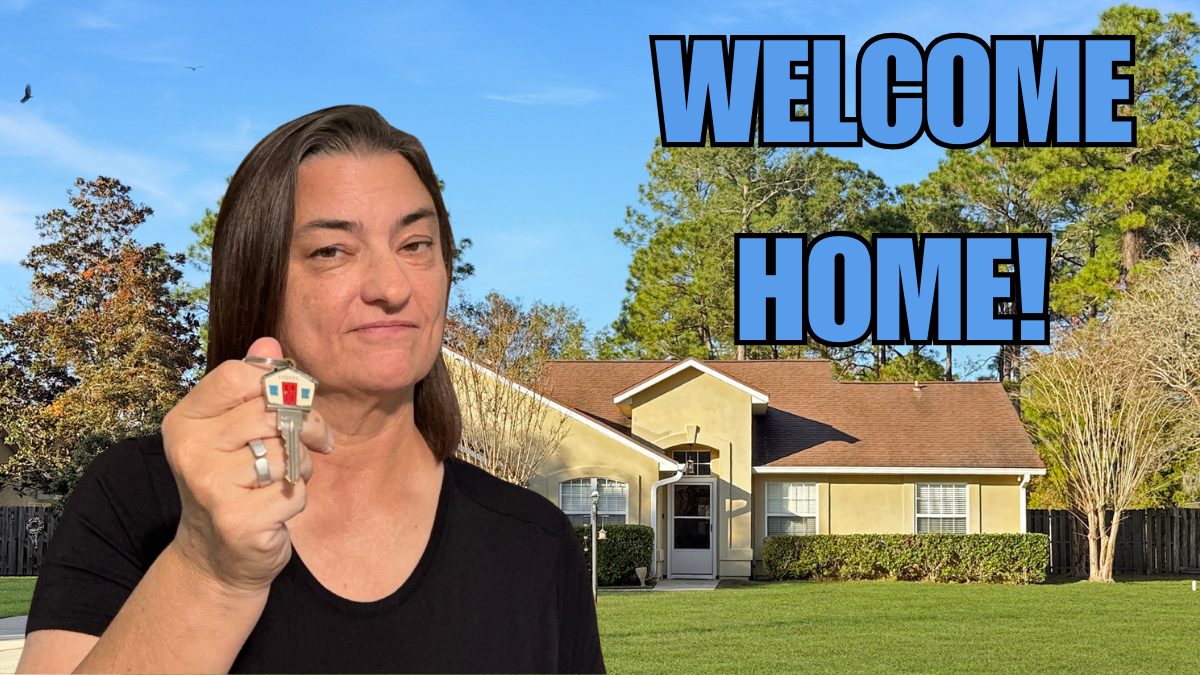
I’m Pam Graham, a Northeast Florida real estate consultant, which includes Jacksonville, Clay & St John’s Counties. I break down the market in layman’s terms so you can make smart decisions—whether you’re buying, selling, or just keeping an eye on what’s happening.
Call/Text 904-910-3516
Email: pam@pamgraham.com