
Home Inspections, Appraisal Contingencies, and Due Diligence: What Buyers Need to Know
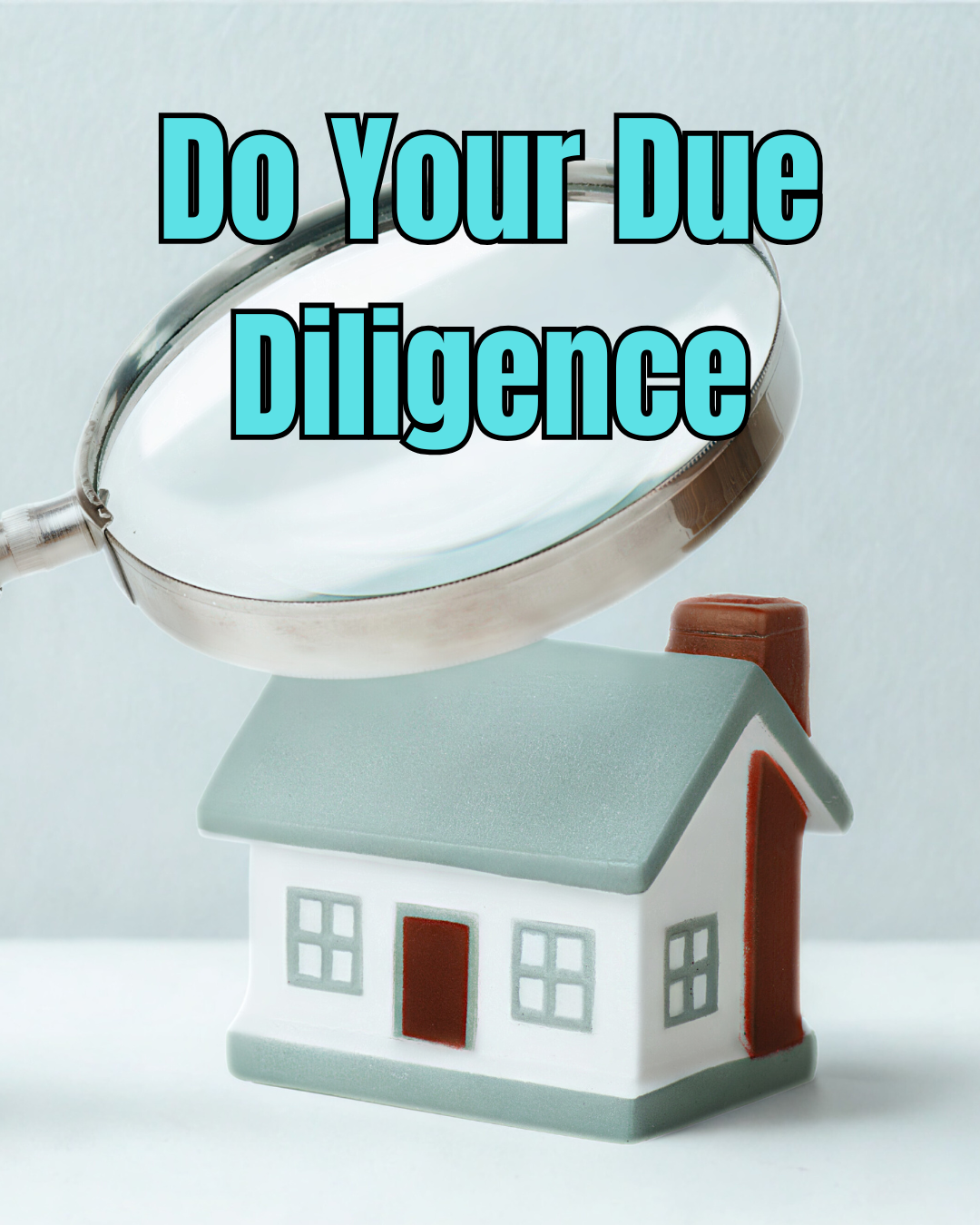
I wasn’t originally planning on writing this blog post, because in my last post, I did talk about home inspections and doing your due diligence. But after thinking about it a little more, I realized there were a few things I forgot to cover, so I wanted to go over those here.
Home Inspections Don’t Really Pass or Fail
Home inspections cause fear for a lot of buyers, and they can definitely make or break a deal. One question I get asked often is:
“What happens if my home inspection fails?”
The reality is that there really isn’t a pass or fail when it comes to a home inspection.
A home inspection is more of an educational opportunity for you as the buyer. It helps you determine whether this is a home you want to continue pursuing and eventually close on. The inspector is looking for issues that may not be obvious during a showing and help uncover anything behind the scenes that could become a problem later.
The purpose of the inspection is to give you information so you can make an informed decision. It’s not about getting a passing grade.
The WDO Inspection Is Different
One inspection that is a little different is the WDO inspection.
WDO stands for Wood Destroying Organisms. This inspection looks for things such as:
- Termites
- Wood rot
- Carpenter ants
- Other organisms that can damage the wood structure of the home
This type of inspection is a little closer to pass or fail, because you either receive a clean WDO report or you don’t.
Some lenders don’t necessarily require a clean WDO report unless the appraiser calls attention to an issue. If the appraiser notes potential termite damage or wood rot, the lender may require a clear WDO report before closing can move forward.
In many cases, you can ask the seller to make repairs if issues are found. Whether they agree often depends on the severity of the problem and the cost of the repairs.
The Inspection Shouldn’t Be a Surprise
If you’ve already looked at the age of the roof, HVAC system, water heater, and other major components before making an offer, the inspection often just confirms what you already know.
For example, if you know the roof may need replacement in five to ten years, or the HVAC system is getting older, the inspection is likely going to reflect that.
You still have the option to negotiate repairs or even back out of the contract if you’re within your inspection period. However, it’s important to understand that a seller probably isn’t going to replace a roof or HVAC system simply because it only has a few years of life remaining.
That’s something you’ll want to consider as part of your future homeownership budget.
What Happens During the Due Diligence Period?
Your due diligence period typically takes place during the inspection period, which is often around 10 days.
This is your opportunity to investigate the property and gather as much information as possible before fully committing to the purchase. This is a good time to get an idea of the cost of home owner’s insurance or anything that is important to you.
During this time, you may choose to have:
- A general home inspection
- A WDO inspection
- A pool inspection
- A septic inspection
- A well inspection
- Additional specialty inspections if needed
The goal is to make sure you understand exactly what you’re buying before moving forward. Prices can vary, but a regular home inspection with a WDO inspection can be around $500.
Yes, You Should Still Inspect New Construction
One thing I hear from buyers fairly often is:
“Why would I get a home inspection on a brand-new house?”
The answer is simple.
People are human, and humans make mistakes.
Even with new construction, things can be missed. An independent home inspection gives you another set of eyes on the property and can identify issues before they become your responsibility.
If you’re building a home from the ground up, inspectors can often perform multiple inspections throughout the construction process. They can inspect certain stages as the home progresses, helping identify concerns before drywall goes up or construction is completed.
Just because a home is brand new doesn’t mean it’s perfect.
Understanding the Appraisal Process
The appraisal is another part of the home buying process that brings fear to a lot of buyers because it can also make or break a purchase.
The good news is that most of the time, we have a pretty good idea whether a home is likely to appraise before we ever get to that point.
One of the things I’ll do before you make an offer is look at comparable sales, often called comps. That’s exactly what the appraiser is going to do as well.
Typically, an appraiser wants to see:
- Three active or pending listings
- Three recently sold homes
The sold homes are usually from within the past six months, although in some markets they may focus more heavily on sales from the past three months if there has been a lot of recent activity.
The goal is to compare homes that are as similar as possible. They look at things like:
- Square footage
- Number of bedrooms and bathrooms
- Lot size
- Age of the home
- Condition of the property
- Upgrades and renovations
- Features and amenities
In other words, they’re trying to compare apples to apples.
If one home has updated countertops, remodeled bathrooms, or major upgrades, those factors may influence the value when compared to a home that has not been updated.
What Happens When There Aren’t Enough Comparable Sales?
Sometimes finding comparable sales isn’t easy.
In neighborhoods with very few recent sales, rural areas, or properties that are especially unique, the appraiser may have to expand the search area to find enough comparable homes.
Whenever possible, appraisers try to stay within the same neighborhood, because those homes are generally the best indicators of value.
If they need to go outside the neighborhood, they typically try to stay within a reasonable distance, often around a mile if possible. Once you start getting much farther away, the neighborhoods, amenities, and market conditions can be different, making those comparisons less reliable.
Every property is unique, so appraisers have to use their judgment to find the most accurate and relevant comparable sales available.
Story Time: When the Market and the Appraisal Didn’t Agree
I had a listing in an area where there weren’t many subdivisions close together, which made finding comparable sales difficult.
The home itself was immaculate. The sellers had maintained it extremely well, and it showed. Because of the condition of the home, we priced it a little higher than some of the recent sales in the area.
One challenge was that several of the recent sales were distressed properties. Distressed sales can impact values because they’re often sold below market value, but they don’t always represent what a well-maintained home is actually worth.
We put the home on the market and received a lot of interest. It went under contract quickly.
Then the appraisal came back low.
The first contract fell apart because of the appraisal. We put it back on the market and quickly went under contract again.
Then the second appraisal came back low too.
This second buyer was using a VA loan, which introduced something called Tidewater. Tidewater gives the listing agent an opportunity to provide additional comparable sales and information before the appraiser finalizes the value.
I spent hours researching comparable sales and building a case for the value we were seeing in the market. The challenge was that there simply weren’t many comparable homes nearby. I even looked at a neighboring community that was more established and located farther away because there just weren’t enough recent sales in the immediate area.
Unfortunately, despite all the additional information, there still weren’t enough comparable sales to support the contract price.
What made the situation frustrating was that the market itself was telling us something different. We had multiple buyers willing to pay the price. Demand was there.
But appraisals aren’t based on buyer demand alone. They have to be supported by comparable sales.
In the end, everyone worked together and came to an agreement on the price, and the transaction moved forward.
The lesson here is that a home can be worth one thing to buyers and another thing on paper. That’s why appraisal contingencies exist. They help protect buyers if a property doesn’t appraise for the agreed-upon purchase price.
If an appraisal comes in low, it doesn’t automatically mean the deal is dead. Buyers and sellers can negotiate, challenge the appraisal in some situations, adjust the purchase price, or explore other solutions to keep the transaction moving forward.

I’m Pam Graham, a Northeast Florida real estate consultant, which includes Jacksonville, Clay & St John’s Counties. I break down the market in layman’s terms so you can make smart decisions—whether you’re buying, selling, or just keeping an eye on what’s happening.
Call/Text 904-910-3516
Email: pam@pamgraham.com













1 thought on “Home Inspections, Appraisal Contingencies, and Due Diligence: What Buyers Need to Know”