The Complete Guide to Buying Your First Home in Northeast Florida
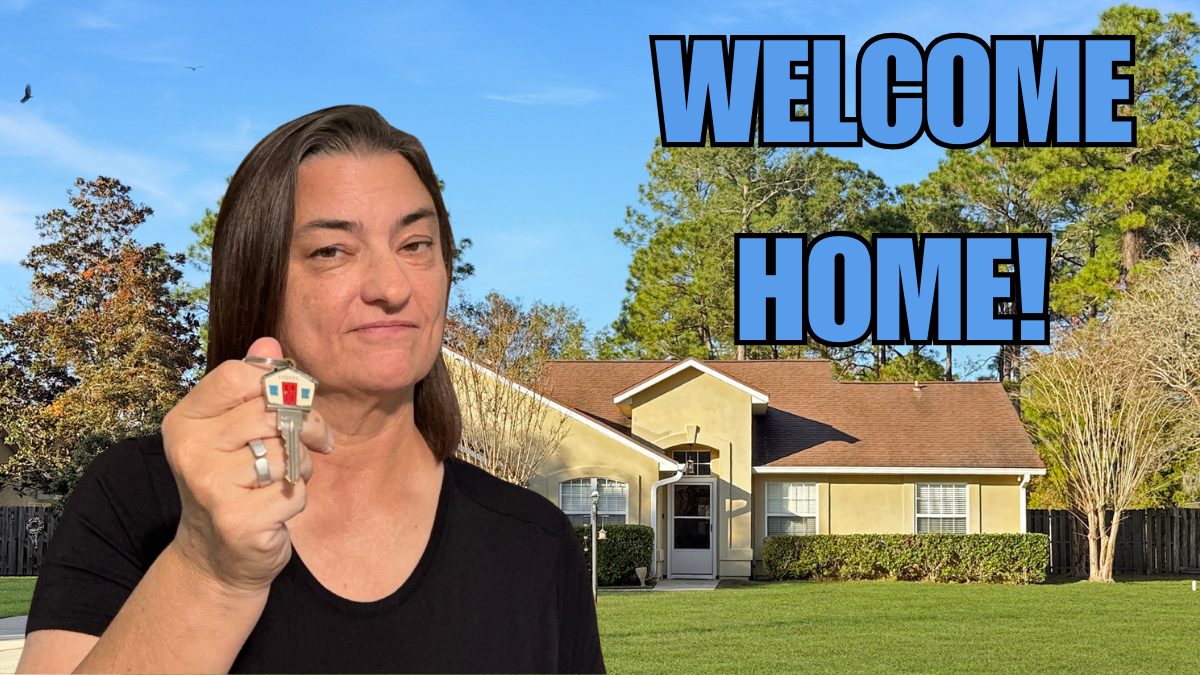
Buying your first home is exciting, but it can also feel overwhelming. There are loan options, inspections, appraisals, contracts, deadlines, and enough new terminology to make your head spin. Heck, even as a seasoned agent when I was buying my current home, I had to be on my toes! The good news is that you don’t have to figure it all out on your own. I created this guide to walk you through the process step by step so you know what to expect before you ever start house hunting.
Step 1: Check Your Financial Starting Point

Buying a home starts long before you begin touring properties. The first step is understanding where you stand financially so you can create a realistic plan. That means checking your credit score, reviewing your debt-to-income ratio (DTI), and determining how much money you’ll need for a down payment and closing costs. While some loan programs allow lower credit scores, improving your credit ahead of time may help you qualify for a better interest rate, which can save you thousands of dollars over the life of your loan.
It’s also important to understand how lenders look at your monthly debt. Car payments, credit cards, student loans, and personal loans all affect how much home you may qualify for. If you’re planning ahead, paying down debt and keeping credit card balances low can strengthen your financial position before you apply for a mortgage.
Savings are another key piece of the puzzle. Depending on the loan program you choose, you’ll need money for a down payment, closing costs, and expenses after moving in. Every buyer’s situation is different, so understanding your finances early helps you avoid surprises later and makes the rest of the home-buying process much smoother.
🟦Key Takeaways
- Check your credit score early.
- Understand your debt-to-income ratio.
- Start building your savings.
- Plan ahead to strengthen your buying position.
Learn More:
➡️ Read the complete guide: Step 1: Check Your Financial Starting Point Before Buying a Home
Step 2: Explore Florida First Time Buyer Home Loan Programs
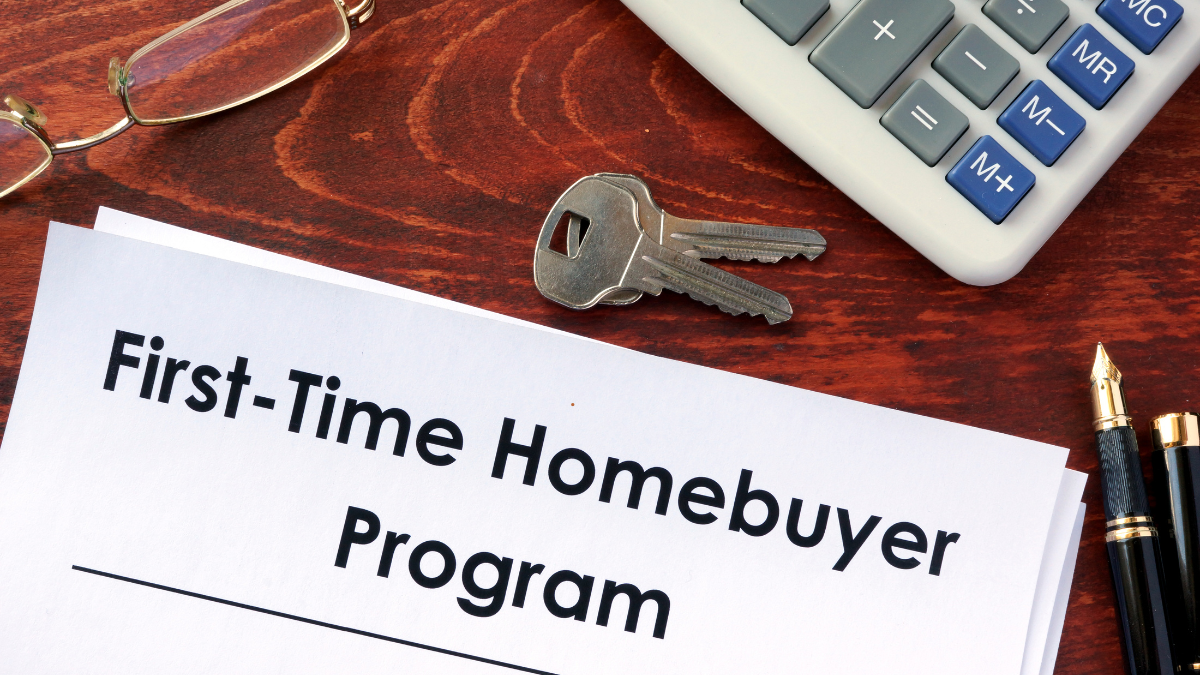
Many buyers assume there are special mortgage programs available only for first-time homebuyers, but that’s not entirely true. Most loan types, including FHA, VA, USDA, and Conventional loans, are available whether you’re purchasing your first home or your fifth. Where first-time buyer status really becomes important is with Florida’s down payment assistance programs.
These programs can help with upfront costs, but each one works differently. Some assistance must be repaid if you sell or refinance, while others may be forgiven after you’ve owned the home for a certain number of years. Understanding the differences between Florida Assist, Florida HLP, HFA Preferred, HFA Advantage, and Hometown Heroes can help you choose the program that best fits your financial goals.
Eligibility also varies based on factors like income, purchase price, credit score, and where you’re buying. Because these programs have specific guidelines, it’s important to work with a lender who regularly handles Florida down payment assistance loans and can help determine which options you may qualify for.
Key Takeaways
- Most loan programs are not limited to first-time buyers.
- Down payment assistance programs all have different rules.
- Know whether assistance is forgivable or repayable.
- Work with an experienced participating lender.
Learn More:
➡️ Read the complete guide: Step 2: Explore First Time Homebuyer Loan Options in Jacksonville Florida
Step 3: Down Payment Assistance

One of the biggest misconceptions about buying a home in Florida is that there are dozens of mortgage programs reserved exclusively for first-time buyers. In reality, most loan types, including FHA, VA, USDA, and Conventional loans, are available to many buyers regardless of how many homes they’ve owned. Where first-time buyer status becomes important is with Florida’s down payment assistance programs.
These programs are designed to help eligible buyers with upfront costs, but each one works a little differently. Some provide assistance that must be repaid when you sell or refinance, while others may be partially or fully forgiven if you remain in the home for a specified period. Understanding these differences before choosing a program can help you avoid surprises later.
Eligibility is based on several factors, including your credit score, income, county, purchase price, and whether you meet Florida’s definition of a first-time homebuyer, which often means not owning your primary residence within the past three years. Because every buyer’s situation is unique, working with an experienced lender who regularly handles these programs can make the process much smoother and help you determine which option best fits your financial goals.
Key Takeaways
- Most mortgage loans are not limited to first-time buyers.
- Down payment assistance programs each have different rules.
- Understand whether assistance is forgivable or must be repaid.
- Qualification depends on income, credit, county, and purchase price.
- Work with an experienced lender familiar with Florida assistance programs.
Learn More:
➡️ Read the complete guide: Step 3: First Time Homebuyer Programs, What You Need To Know Before You Buy
Need help to get started? Let’s make a plan. Contact me
Step 4: 10 First-Time Home Buyer Mistakes to Avoid in Northeast Florida

Buying your first home is exciting, but it’s also easy to make mistakes that can cost you time, money, and unnecessary stress. Many of these mistakes happen before you ever make an offer. Buyers often start looking at homes before getting pre-approved, focus only on the listing price instead of the true monthly cost of homeownership, or wait too long hoping interest rates or home prices will change. Others overlook the neighborhood, rush through inspections, or make major financial decisions while they’re under contract.
The good news is that most of these mistakes are completely avoidable with a little planning. Understanding the home-buying process ahead of time helps you make informed decisions and avoid surprises along the way. Whether it’s knowing when to get pre-approved, understanding your true budget, or resisting the urge to finance new furniture before closing, every step plays an important role in protecting your purchase.
Remember, buying a home isn’t just about finding the right house. It’s about making smart decisions from the beginning of the process all the way through closing day. Taking the time to educate yourself now can save you thousands of dollars and make your home-buying experience much smoother.
Key Takeaways
- Get pre-approved before you start shopping.
- Focus on your total monthly budget, not just the purchase price.
- Research the neighborhood as carefully as the house.
- Avoid major financial changes while you’re under contract.
- Don’t rush the process or skip important steps.
Learn More:
➡️ Read the complete guide: Step 4: 10 First Time Homebuyer Mistakes To Avoid in Northeast Florida
Step 5: Get Pre-Approved Before House Hunting
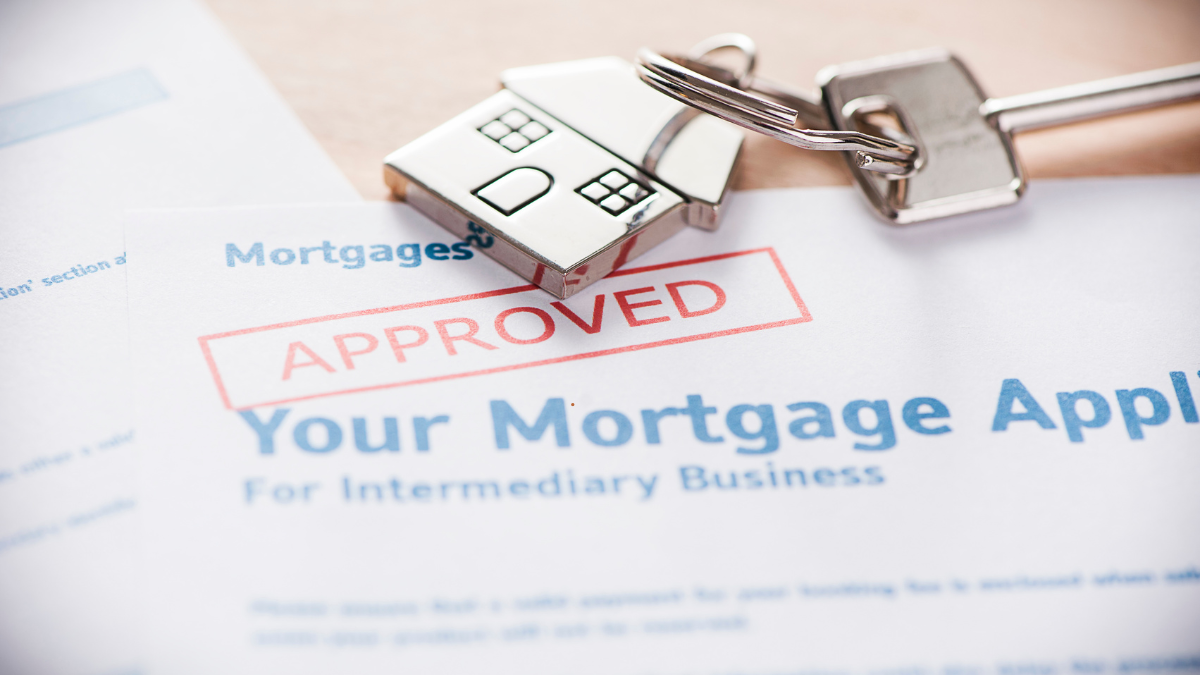
One of the biggest mistakes buyers make is confusing pre-qualification with pre-approval. While both give you an idea of what you may be able to afford, they are not the same. A pre-qualification is typically based on information you provide verbally and offers only a general estimate. A pre-approval, on the other hand, requires documentation, a credit review, and verification of your financial information.
Getting pre-approved before you begin house hunting gives you a much clearer picture of your budget and helps you avoid falling in love with a home that’s outside your price range. It also makes your offer much stronger when you’re competing with other buyers because sellers know a lender has already reviewed your finances.
During the pre-approval process, you’ll provide items such as pay stubs, bank statements, employment information, and identification. Your lender will review your credit, income, assets, and debt before issuing a pre-approval letter. Although it doesn’t guarantee final loan approval, it’s one of the most important steps you can take before starting your home search.
Key Takeaways
- Pre-approval is much stronger than pre-qualification.
- Sellers take pre-approved buyers more seriously.
- You’ll know your true buying budget.
- Gather your financial documents early to speed up the process.
Learn More:
➡️ Read the complete guide: Step 5: Get Pre-Approved, Not Just Pre-Qualified
Step 6: Understand Your True Home Buying Budget
Getting pre-approved tells you how much you may be able to borrow, but that doesn’t necessarily mean it’s the amount you should spend. One of the biggest mistakes buyers make is focusing only on the maximum loan amount instead of their monthly comfort level. Your mortgage payment is much more than just principal and interest. It can also include property taxes, homeowner’s insurance, mortgage insurance (PMI), HOA or CDD fees, and, in some cases, flood insurance. All of these expenses affect your monthly payment and your overall budget.
It’s also important to think beyond your mortgage. Owning a home comes with ongoing expenses like utilities, maintenance, lawn care, repairs, and unexpected costs that renters may not have experienced before. Creating a realistic budget before you begin shopping helps ensure you purchase a home you can comfortably enjoy, not one that stretches your finances every month.
Remember, the goal isn’t to buy the most expensive home your lender will approve. It’s to find a home that fits your lifestyle while still leaving room in your budget for savings, emergencies, vacations, and the things you enjoy. A comfortable payment today can make homeownership much less stressful in the years ahead.
Key Takeaways
- Your budget is more than your loan amount.
- Include taxes, insurance, HOA/CDD fees, and other monthly costs.
- Plan for maintenance and unexpected repairs.
- Buy a home that fits your lifestyle, not just your lender’s approval.
Learn More:
➡️ Read the complete guide: Step 6: Understand Your True Budget (Not Just The Loan Amount)
Step 7: Choose the Right Area

Finding the right home is only part of the decision. Choosing the right location can have an even bigger impact on your day-to-day happiness and your home’s long-term value. While you can update paint colors, flooring, or landscaping, you can’t pick up the house and move it if you later realize the neighborhood isn’t the right fit. That’s why it’s important to think beyond the property itself and consider how the surrounding area fits your lifestyle.
As you narrow down your search, think about factors like your daily commute, traffic patterns, nearby shopping and restaurants, parks, healthcare, and recreational opportunities. School zones may also be an important consideration for some buyers, while others may prefer to avoid areas with heavy school traffic. Noise from busy roads, train tracks, airports, or commercial areas, along with flood zones and neighborhood conditions, are all worth researching before making an offer.
Every buyer has different priorities, and there’s no one-size-fits-all neighborhood. Taking the time to compare communities and think about how you’ll live in the area can help you make a decision you’ll be happy with for years to come. The right location should support both your current lifestyle and your future goals.
Key Takeaways
- You can remodel a house, but you can’t change its location.
- Consider your commute, traffic, and daily routine.
- Research neighborhood conditions, noise, and flood risks.
- Choose an area that fits your lifestyle today and your goals for the future.
Learn More:
➡️ Read the complete guide: Step 7: How To Choose The Right Area When Buying A Home In Northeast Florida
Step 8: Tour Homes Like a Pro

Touring homes is one of the most exciting parts of buying a home, but it’s easy to get distracted by fresh paint, beautiful staging, or trendy finishes. While it’s perfectly fine to appreciate cosmetic features, this is also the time to look beyond appearances and pay attention to the home’s overall condition. A house can be updated later, but expensive structural or mechanical issues can have a much bigger impact on your budget after closing.
As you walk through a home, pay attention to things like the age and condition of the roof, HVAC system, water heater, windows, and signs of water intrusion or foundation movement. Look for large cracks, uneven floors, staining on ceilings, or anything that seems unusual. At the same time, try to picture yourself living in the home. Does the floor plan fit your lifestyle? Is there enough storage? Will the backyard meet your needs? It’s also important to pay attention to the neighborhood, surrounding homes, traffic, and anything else that could affect your daily life.
One final tip: remember that many homes today have security cameras or recording devices. Even if you don’t see them, it’s best to assume you’re being recorded. Save detailed conversations about price, repairs, or whether you’d be willing to pay more until you’re back in the car with your agent. Staying focused during showings will help you make better decisions and protect your negotiating position.
Key Takeaways
- Don’t focus only on cosmetic updates.
- Look for signs of expensive repairs or maintenance issues.
- Think about how the home fits your lifestyle.
- Assume cameras may be recording during showings.
- Save pricing discussions until you’re outside the home.
Learn More:
➡️ Read the complete guide: Step 8: Touring Homes In Northeast Florida: What Buyers Should Actually Look For
Step 9: Making an Offer

Once you’ve found the right home, it’s time to put together an offer. While price is important, it’s only one part of the contract. You’ll also need to decide on items such as your earnest money deposit, proposed closing date, financing terms, inspection period, and any contingencies you want included. Every offer is different because every buyer’s situation and every seller’s priorities are different.
A strong offer isn’t always the highest offer. Sometimes flexibility with the closing date, fewer requests, or stronger financing can make your offer more attractive to a seller. Your real estate agent will review comparable sales, current market conditions, and the property’s history to help you determine a competitive offer that aligns with your goals. If the seller doesn’t accept your initial offer, negotiations may continue through counteroffers until both parties reach an agreement or decide to move on.
Once your offer is accepted and both parties have signed, you’re officially under contract. That’s when the next phase begins, including inspections, appraisal, loan processing, and all the steps that lead to closing. Understanding what goes into a purchase agreement can help you negotiate with confidence and avoid surprises later in the transaction.
Key Takeaways
- Price is only one part of a strong offer.
- Earnest money, contingencies, and closing dates all matter.
- Market conditions influence negotiation strategies. Counteroffers are a normal part of the process.
- A fully executed contract officially starts the next phase of buying.
Learn More:
➡️ Read the complete guide: Step 9: Buying A Home In Jacksonville? Make An Offer That Gets Accepted!
Step 10: Home Inspections, Appraisal, and Due Diligence

Once your offer is accepted, the real work begins. The due diligence period is your opportunity to learn as much as possible about the home before moving forward with the purchase. During this time, you’ll schedule inspections, review the property’s condition, obtain insurance quotes, and make sure there aren’t any unexpected issues that could affect your decision. Home inspections aren’t about giving a house a passing or failing grade. Instead, they’re designed to educate you about the property’s condition so you can make an informed decision and negotiate repairs if needed.
In addition to a general home inspection, you may also choose specialized inspections depending on the property, such as a wood-destroying organism (WDO) inspection for termites, a septic inspection, well inspection, pool inspection, or other evaluations. During this same period, your lender will order the appraisal to determine whether the home’s value supports the purchase price. If the appraisal comes in lower than expected, there are often options available, including renegotiating the price or working out another solution with the seller. Every transaction is different, but understanding this process ahead of time helps reduce stress and prepares you for what comes next.
Key Takeaways
- Home inspections educate you about the home’s condition.
- Consider specialized inspections when appropriate.
- The due diligence period is your opportunity to investigate the property.
- The appraisal confirms the home’s value for the lender.
- Repairs and appraisal issues can often be negotiated.
Learn More:
➡️ Read the complete guide: Step 10: Home Inspections, Appraisal Contingencies, And Due Diligence
Step 11: Final Loan Approval and Closing Prep

After the inspection period is complete and any repairs have been negotiated, your purchase moves into the final stages before closing. During this time, your lender orders the appraisal, continues reviewing your financial documents, and submits your file to underwriting. The underwriter’s job is to verify that everything meets the lender’s guidelines before issuing final loan approval. It’s common for the underwriter to request additional documentation, so don’t be surprised if you’re asked for updated bank statements, pay stubs, or other paperwork. Responding quickly helps keep your closing on schedule.
This is also the time to avoid making any major financial changes. Opening new credit accounts, financing furniture, making large cash purchases, or changing jobs without speaking to your lender could delay your loan or even affect your approval. Once all underwriting conditions have been satisfied, the lender issues the exciting news every buyer is waiting for: Clear to Close. At that point, your title work should be complete, your final walkthrough can be scheduled, and you’re only a short time away from signing your paperwork and becoming a homeowner. Staying organized and communicating with your lender throughout this stage helps ensure everything goes as smoothly as possible.
Key Takeaways
- The appraisal and underwriting happen during this stage.
- Respond quickly to any lender requests.
- Avoid new debt, large purchases, or changing jobs before closing.
- “Clear to Close” means you’re in the final stretch.
- Stay organized and keep communication open with your lender.
Learn More:
➡️ Read the complete guide: Step 11: Final Loan Approval And Closing Prep For Northeast Florida Home Buyers
Step 12: Closing Day: What to Expect

Closing day is the moment you’ve been working toward throughout the entire home-buying process. After getting the clear to close, your lender will send you a Closing Disclosure that outlines your final loan terms, closing costs, estimated monthly payment, property taxes, homeowner’s insurance, and the amount you’ll need to wire to the title company. Before sending any funds, always verify the wiring instructions directly with the title company to help protect yourself from wire fraud. Taking a few extra minutes to confirm the information can provide peace of mind before one of the biggest financial transactions you’ll ever make.
Before heading to the closing table, you’ll complete a final walkthrough of the home. This isn’t another inspection or an opportunity to negotiate new issues. Instead, it’s your chance to verify that agreed-upon repairs have been completed, negotiated items remain with the property, and the home has been left in the condition outlined in the contract. It’s also normal if the seller is still finishing up a few final details before closing, especially if your walkthrough takes place the day before or earlier that same day. Most transactions move smoothly, and your real estate agent will help address any concerns if something doesn’t look right.
At closing, you’ll bring a valid government-issued photo ID and confirm that your wire transfer has been received. The title company or closing attorney will guide you through the paperwork, answer any questions you have, and submit the signed documents to your lender for final funding. Once the loan is funded and the transaction is complete, you’ll receive the keys to your new home. After weeks of planning, paperwork, inspections, and anticipation, you’ll officially become a homeowner and can finally begin making your new house a home.
Key Takeaways
- Review your Closing Disclosure carefully before closing.
- Always verify wire instructions directly with the title company.
- Use the final walkthrough to confirm the home’s condition and agreed-upon repairs.
- Bring a valid government-issued photo ID to closing.
Learn More:
➡️ Read the complete guide: Step 12: Closing Day: What To Expect When Buying A Home In Northeast Florida
FAQ
Financial Preparation
Some programs can work with a minimum credit score of 580, however the higher your score the better interest rate you can get.
No!!! I mean if you have it to put down, then yes put 20% down. That will save you money on interest and PMI. If you don’t have 20% there are loans with 3.5% down, and a few with no money down, except for closing costs. There’s also down payment assistance as well.
One of the factors you need to consider is how much time do you have? You will want to have down payment, closing costs, inspection fees and reserves for after closing. How much can you save each month? You may be able to use 401k funds, so you wouldn’t need to save as much or have to use less down payment assistance. There’s a lot of variables, but you can use 10% of the purchase price for closing costs and down payments as a guide.
Yes you can, just make sure you speak to a lender on which loans permit it and how you need to approach it.
Loan & Pre-Approval
Pre-Qualify is as simple as calling the lender and giving them what you think your income and debt numbers are, without the lender verifying it. Pre-approval is when the lender has checked your credit, looked at all your financials and confirmed the information is accurate. All that is needed is the house.
Usually 60-90 days, but always confirm with your lender.
Pay stubs, two years tax records. W2s or 1099, 401k info, child support docs, bank statements, application done on line, and credit report. Each lender may have additional requests.
Yes you can, however they will be included in your debt to income ratio even if they are currently deferred.
House Hunting
HGTV would have you think it’s as easy as 3 homes and then you pick one, but that’s just for TV. You may need to tour 10, or maybe 3 might be enough. Knowing your criteria, like the must haves or maybes can help shorten the showing time. Drive bys and knowing which areas you like can also help shorten the time.
I think you should imagine living there. How does it feel? Can you see yourself there? Is the house talking to you? While you’re dreaming, I will look for the not so cool stuff. Like stains in the ceiling, mold leaks, things that could cause you headaches.
You will know. Just make sure that if it’s priced below other homes in the same neighborhood that you find out why. Is there cell towers close by? Railroad tracks? Backs up to a busy road. Is there pride of ownership or rentership? I know that’s not a word, but renters do take care of their rentals too, while some don’t. Make sure the commute time works for you as well.
Making an Offer
When you make an offer, part of your offer is pledging a ceratin amount of money to be turned in when your offer is accepted. It usually is 1% of the purchase price. The title company handling the closing can hold it until closing, which thern will be credited to the funds you need to bring to closing. It’s also known as a binder. Skin in the game. There are ways to get your binder in the event of a low appraisal, financing falls through or during the due diligence period.
Everything is negotiable, even if the contract is as-is. Doesn’t mean the seller will agree, but if you don’t take the shot, you won’t have a chance to score. With either contract you can walk away during the due diligence period if the inspection doeasn’t fit your criteria or the seller doesn’t want to make repairs.
There’s some options. We can negotiate for the seller to come down to meet the value. You can bring the difference to closing increasing your cash to close or you can walk away. Which if you have an appraisal contingency, you will get your binder back.
Closing Process
No one ever sees these underwriters. They are tucked away in the castle somewhere. Just kidding! Underwriting is the act of going through all the documents related to your loan to make sure everything works with the lender’s guidelines. Your lender does not do the under wrtiting, but they do know the guidelines to make sure the underwriters get what they need.
Heck to the NO!!!!!! Don’t buy anything until after closing!!! Yes, I’m semi yelling.
Closings can take an hour or less. If your lender is good, the closing can be 30 minutes. If there are no questions or chit chatting, it can be short. Ask questions if you have them.
The final walk through is usually done within the last 48 hours before closing. Mainly to make sure the house is in the condition it was at the time of going under contract. All the appliance are there, no leaks or issues and the seller is either moved out or looks like they will be by closing.
Once paperwork is signed, sent to the lender, they give their seal of approval and the funds are released. The keys are yours.
Your government issued ID. Dress however you want. Your wire should have been wired a day os before closing, so you shouldn’t need to bring that. A strong desire to sign alot of paperwork to get to the other side.
Northeast Florida FAQ
Another it depends situation. If you’re getting a mortgage and the house is in a flood zone, then yes you would have to get flood insurance. If you are not in a flood zone, you are not required to get it, unless you want to or you are going to have the state insurance called Citizens. They will require all of their insured properties to have flood insurance by 2027.
This is such a loaded question due to the many answers. Or maybe, the one answer….which is: it depends. There are different millage rates in each county, some towns and cities. Each house is different, so it would be wise that you check them out for each one. It will affect your monthly payment. Real case scenario: My house. We paid 191k, with homestead our taxes are around $2,300 a year. That also includes trash service.
Yes you can! Many people do this when they move here. If you’re transferring here, but with the same company, it should not be an issue. Military folks do it all the time. It really depends on your job situation.
Additional Home Buying Resources
- Cost of Living in Northeast Florida
- Jacksonville Neighborhood Guides
- Clay County Guide
- St. Johns County Guide
- Monthly Market Updates
- Florida Homestead Exemption
- Moving to Florida
- VA Home Buying Guide
- New Construction Guide
Ready to Take the Next Step?
Whether you’re planning to buy your first home next month or next year, I’d be happy to help you navigate the process. If you have questions about financing, neighborhoods, or where to begin, don’t hesitate to reach out.
📞 Call/Text: 904-910-3516
📧 Email: pam@pamgraham.com
📅 Schedule a Consultation: Contact me

I’m Pam Graham, a Northeast Florida real estate consultant, which includes Jacksonville, Clay & St John’s Counties. I break down the market in layman’s terms so you can make smart decisions—whether you’re buying, selling, or just keeping an eye on what’s happening.
Call/Text 904-910-3516
Email: pam@pamgraham.com