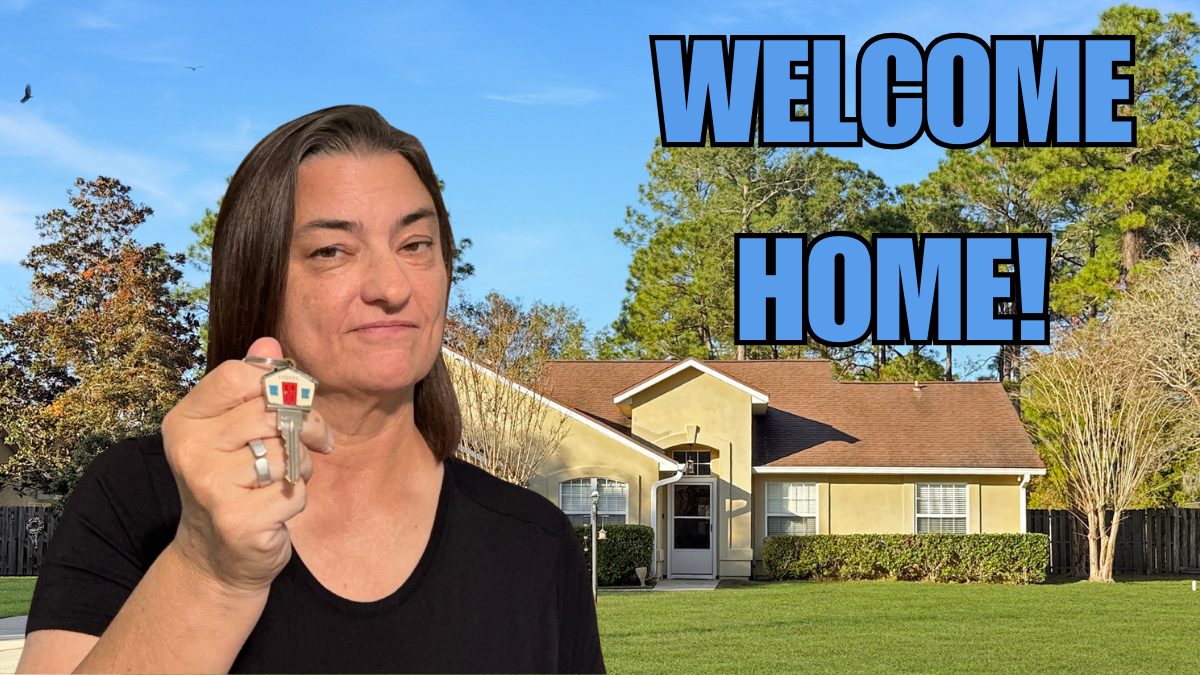

A lot of buyers get nervous once their offer is accepted because suddenly everything feels very real. But understanding what happens next can help you feel more confident and avoid costly mistakes during the contract process.
Alright, we’ve toured the homes, and the one house has talked to you and said, “Pick me, pick me.” Now you’re ready to make an offer.
At this point, you’re already pre-approved, so now we just need to talk about things like:
- What do you want your offer to be?
- When do you want to close?
- What things do you want to ask for to stay with the house?
- And what other terms are important to you?
We’ll look at the market, we’ll look at the neighborhood, see what homes are selling for, and then it’ll be time to make that offer, get it in writing, and send it over to the listing agent.
After that, there’s a few things that could happen.
- They can accept it as-is.
- They can counter your offer.
- They can not respond, and technically that’s their counter.
We always hope that last one doesn’t happen, but sometimes it does, especially if the offer is super low and the seller gets a little insulted.
How to Make Your Offer Strong in Any Market
One thing we can always do, and when I say “we,” I mean me, is I’ll call the listing agent and talk to them to find out what’s important to the seller.
Because sometimes it’s not just about price.
Maybe the seller needs a later closing date. Maybe they need a quicker closing. Maybe they need extra time after closing to move out. If we can structure the offer around terms that are favorable to the seller, there’s a good chance they may choose our offer over another one.
That’s why strategy matters just as much as price sometimes.
What Happens in a Seller’s Market
In a seller’s market, when we’re seeing multiple offers, you’re going to want to put your best foot forward.
Because if you don’t, they may not even come back asking for highest and best.
Highest and best means the seller is asking everyone who submitted an offer to send in their strongest offer by a certain deadline, and then the seller decides which one they want to go with.
Sometimes sellers will still counter one of the offers instead if none of them fully work for what they want.
But in a competitive market, hesitation can cost you the house.
What Happens in a Buyer’s Market
In a buyer’s market, you usually have a little more wiggle room.
You may have more time to negotiate the price, the terms, repairs, or whatever it is that’s important to you in the deal.
The caveat, though, is there’s always a chance another offer comes in no matter what kind of market we’re in.
So sometimes it’s still best to go ahead and put your strongest offer forward from the beginning instead of risking losing the house while trying to negotiate too much.
But overall, buyers usually have more flexibility and negotiating power in a buyer’s market.
Earnest Money And What It Is
We’re going to talk about earnest money, which actually has a few different names depending on who you’re talking to.
You may hear it called:
- Earnest money
- Escrow deposit
- Binder deposit
- Good faith deposit
But they’re all basically talking about the same thing.
This is the money you offer upfront to show the seller that you’re serious about buying the home.
Usually, when we’re writing the offer, we’ll discuss what amount you want to put down as the escrow amount. A common example might be 1% of the purchase price, but that can vary depending on the market and the situation.
One thing that’s important to understand is you typically do not hand over that money the moment the offer is submitted.
You usually wait until there is a fully executed contract.
What Is a Fully Executed Contract?
A fully executed contract means:
- Both parties agree to the terms
- Both parties have signed the contract
- And both parties have received the signed contract
That officially starts what we call Day Zero of the contract timeline.
Once that happens, and we know which title company or attorney’s office is handling the closing, arrangements will be made for you to send over the earnest money deposit.
How Earnest Money Is Usually Paid?
Typically, the earnest money deposit is sent to the closing company handling the transaction, and many times that is done through a wire transfer.
And honestly, wiring instructions are a whole topic by themselves because this is something buyers really need to pay attention to.
Wire Fraud Is Real
Unfortunately, there have been hackers who target real estate transactions by hacking emails from agents, title companies, and attorney offices.
Their goal is to send fake wiring instructions so buyers accidentally send their money to the wrong account.
And once that money is gone, it can be extremely difficult, and sometimes impossible, to recover.
That’s why most title companies and attorney offices now use encrypted systems, secure portals, and verified processes to help minimize that risk.
How I Help Protect My Buyers
The way I personally like to handle it is by making sure communication is verified directly.
Either:
- The title company reaches out to you directly
- Or you contact them directly using verified information I provide
That way, we can confirm the wiring instructions are legitimate before you send anything.
So if you ever receive an email out of the blue from “me” or someone claiming to be from the title company asking you to wire money, stop and verify it first.
Do not send anything until you confirm it with me directly.
Because honestly, I could never live with myself if one of my buyers lost their wire money to a scam.
Understanding Contingencies and Buyer Protections
You do have contingencies in the contract that help protect you as the buyer.
The first major one is usually the inspection period.
A lot of times it’s 10 days, but sometimes it can be shorter or longer depending on what’s negotiated in the contract. And it’s important to know that it’s not 10 business days, it’s 10 calendar days.
Your fully executed contract day is considered Day Zero. Then you start counting Day 1 all the way through Day 10, or whatever timeline was agreed to in the contract.
The Inspection Period
During the inspection period, this is when you’re going to have your inspections completed.
That can include things like:
- A general home inspection
- Wood rot inspections
- Termite inspections
- Pool inspections
- Septic inspections
- Well inspections
A general home inspection usually covers things like:
- Windows
- HVAC systems
- Appliances staying with the home
- Electrical
- Plumbing
- Roofing
- And overall condition of the property
Some inspections are separate from the general inspection and come with additional costs, so it’s important to budget for those upfront.
Start Getting Insurance Quotes Early
During that inspection period is also when you want to start talking to insurance companies.
You want to get an idea of:
- What homeowners insurance is going to cost
- Whether the property is insurable
- And whether there are any issues that could affect coverage or pricing
That does not mean you have to officially choose the insurance company yet.
It’s still early in the process, but you want to have everything lined up so when it’s time to close, you can simply call them back and say, “Alright, let’s move forward. We’re closing on this date.”
Understanding the Appraisal Contingency
Another important protection is the appraisal contingency.
If you’re getting a loan, the home has to appraise for at least the purchase price listed in the contract.
If the appraisal comes in low, there are usually a few possible outcomes:
- The seller agrees to lower the price
- The buyer agrees to bring more money to closing
- Or both sides negotiate somewhere in the middle
And sometimes, if no agreement can be reached, the buyer may choose to walk away and receive their earnest money deposit back. Every contract situation is different, and having guidance through the process can make a huge difference.
Understanding the Financing Contingency
There’s also financing contingencies.
That protects buyers in situations where financing falls through despite making a good-faith effort to obtain the loan.
You may also see contingencies related to selling another home first.
For example, if you’re relocating and need to sell your current home before purchasing the next one, the contract may be contingent on that sale happening first.
Contracts Are Designed to Protect Buyers
A lot of buyers get nervous once they go under contract because it suddenly feels very official.
But contracts are not just there to protect sellers. There are multiple protections built in for buyers as well.
And ideally, by this point in the process, you should already understand the majority of those protections before signing anything.
Once Contingencies Are Removed, the Contract Moves Forward
Once contingencies are removed, it’s time to move forward with the contract, and generally speaking, you cannot go back and use those contingencies again later.
That’s why the inspection period and due diligence period are so important.
For example, let’s say a buyer gets a few days away from closing and suddenly changes their mind or decides they no longer want the house for personal reasons.
At that point, if all contingencies have already been removed, there’s a chance the buyer could lose their earnest money deposit depending on the situation and the terms of the contract.
That’s why you want to make sure:
- You’re comfortable with the home
- Comfortable with the insurance costs
- Comfortable with the inspection results
- Comfortable with the payment
- And comfortable with moving forward overall before those contingency deadlines expire.
Buying a home is a big decision, and the contract period can feel overwhelming if you don’t know what to expect. My goal is to help buyers understand the process before problems happen so they can move forward with more confidence. If you’re thinking about buying in Northeast Florida and want guidance through the process, feel free to reach out. Call/Text 904-910-3516 or Email: pam@pamgraham.com
Maybe you found this blog post, but you’re not quite ready to write a contract. Check out Step One, Check Your Financial Starting Point Before Buying A Home In Jacksonville Florida.
The latest mortgage rates can be found at Mortgage Daily News. So when you see them they are in real time and may not reflect the current timeline.

I’m Pam Graham, a Northeast Florida real estate consultant, which includes Jacksonville, Clay & St John’s Counties. I break down the market in layman’s terms so you can make smart decisions—whether you’re buying, selling, or just keeping an eye on what’s happening.
Call/Text 904-910-3516
Email: pam@pamgraham.com